
Endodontic care · Bromley High Street
Root Canal Treatment Bromley
Root canal treatment can remove infection, relieve discomfort and help save your natural tooth. Our Bromley team will explain the options and costs before treatment.
Why have root canal treatment?
Endodontic root canal treatment can save your natural tooth
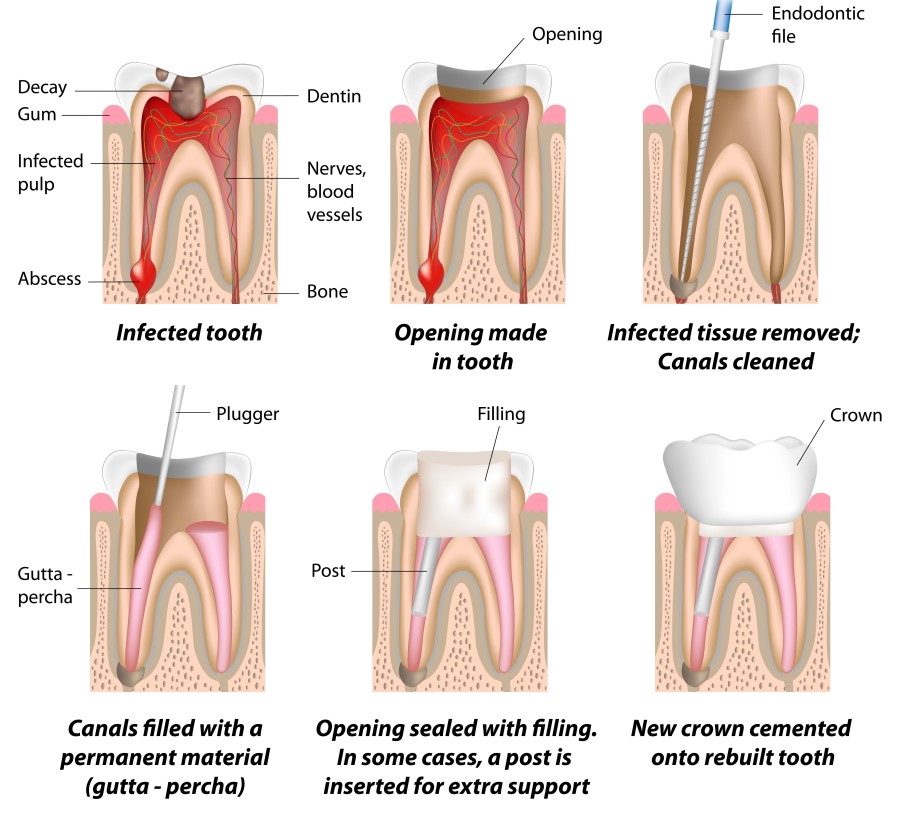
The root canals are cleaned and disinfected to remove bacteria from inside the tooth.
Treatment addresses the infection or inflamed nerve causing pain, using local anaesthetic for comfort.
After the canals are sealed, the tooth is restored with a filling, crown or onlay where appropriate.
YOUR TREATMENT EXPLAINED
What does root canal treatment involve?
Root canal treatment in Bromley can help you save your natural tooth and avoid the need for extraction. At Shmile Dentist Bromley, our experienced team provides gentle root canal care to remove infection and relieve discomfort. The procedure involves cleaning and disinfecting the root canals to remove bacteria, then sealing the tooth to reduce the risk of reinfection.
After root canal treatment, the tooth may need to be restored with a dental filling, onlay or dental crown, depending on how much tooth structure remains. Treating an infected tooth early may help avoid the need for a tooth extraction.
Root canal treatment in Bromley costs
Front tooth root canal procedure. A dental check-up or dental emergency appointment is needed to establish your treatment plan and final cost.
-
Premolar root canal from £550
-
Molar root canal from £650
- Final filling, crown or onlay is additional
Symptoms to check
Signs you may need root canal treatment
An examination is needed to find the cause, but these symptoms may mean the nerve inside a tooth is infected or inflamed:
- Constant or severe toothache
- Swollen, tender gums or a pimple-like spot on the gum
- Pain when chewing or touching the tooth
- Sensitivity to hot or cold, even after the stimulus is removed
- Darkening or discolouration of the tooth
These symptoms don’t always mean you need root canal treatment. A dental examination and X-ray can help us identify the cause and recommend the appropriate treatment.
Is a root canal treatment painful?
Root canal treatment is usually carried out under local anaesthetic, so treatment should be comfortable. It is designed to remove infected or inflamed tissue that may itself be causing significant toothache.
Some tenderness afterwards is normal and usually settles within a few days.
-
Put you at ease
Our experienced dentists take extra care to help you feel comfortable before your appointment.
-
Explain every step clearly
We talk through the procedure and your options so you understand what is happening.
-
Use local anaesthetic
The tooth and surrounding area are numbed for treatment. Tell your dentist if you feel discomfort at any point.
Trusted for care. Chosen for results.
Five-star feedback from patients who value clear advice, professionalism and attention to detail from their local Bromley dental clinic.
Mrs M

Root canal care in Bromley, with a clear plan.
Art-filled, spacious and distinctly independent. Our dental clinic on Bromley High Street pairs contemporary treatment rooms with the warmth and personality you don’t normally find in a dental chain.
- Assessment before treatment
- Specialist referral when appropriate
- Clear costs for root canal and final restoration
Root Canal Treatment FAQs
A little clarity before you visit.
Still unsure about something? Our team is happy to talk it through.
Located at 235 High Street, Shmile Dentist Bromley welcomes patients from all areas including Bromley, Shortlands, Bickley, Beckenham, Orpington, Chislehurst.
Are you a specialist root canal clinic?
What are the alternatives to root canal treatment?
How successful is root canal treatment?
Root canal treatment generally has a good success rate. The outcome depends on factors including the condition of the tooth, the complexity of the root canals, how the tooth is restored afterwards and long-term oral care.
How can I care for my tooth after root canal treatment?
After treatment, maintain good oral hygiene by brushing twice a day, cleaning between your teeth daily and attending regular dental check-ups. Avoid chewing on hard foods or using the treated tooth to bite down excessively, particularly until its final restoration is fitted.
